Overview
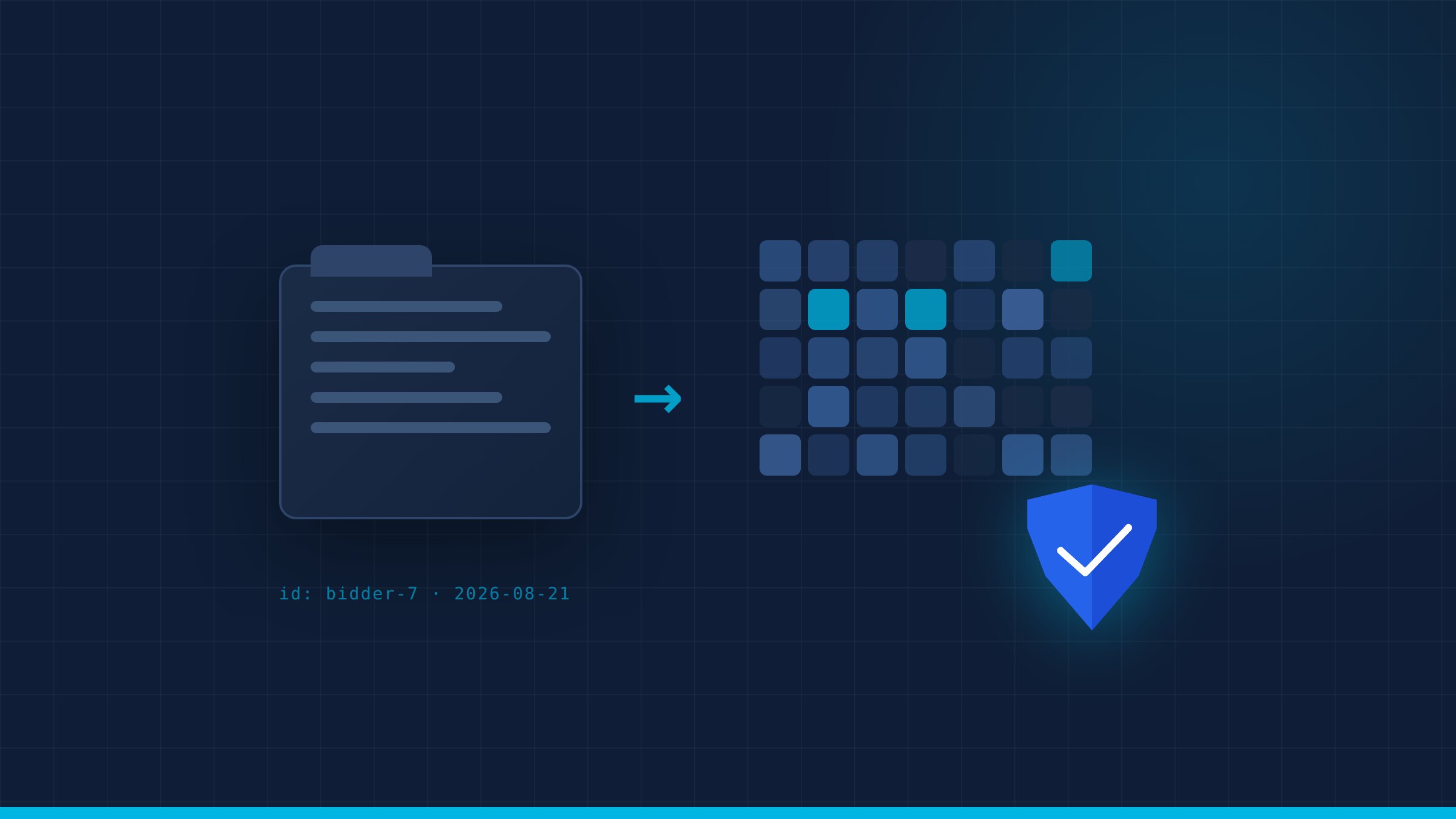
The fastest way to leak an M&A deal is to let bidders download the data room. A secure M&A data room treats every document as a supervised view, not a shared file. It keeps the original on your server, renders watermarked pixels to the browser, and revokes access the moment the process ends.
Why due diligence is a leak waiting to happen
Picture the scene: a target company has uploaded financial statements, customer contracts, cap tables, and product roadmaps into a 'secure' data room. Dozens of bidders, advisors, and auditors are clicking through pages. The platform logs logins, maybe even blocks printing. Then someone hits download, the file lands on a laptop, and from that point on your deal details live in someone else's inbox. Let's be honest: if the original can leave, it will leave.
The M&A data room is not just a repository; it is a high-speed intersection of sensitive information and external trust. Every party has a reason to remember what they saw. The question is not whether they are honest — most are — but whether your architecture makes an honest mistake irreversible.
- Downloads create permanent copies outside your control and your audit trail.
- Forwarded emails, synced folders, and screenshots bypass even well-written NDAs.
- A single compromised endpoint turns a controlled review into a public disclosure risk.
The control that matters: zero-cleartext viewing
A real M&A data room does not hand out files. It renders each page on the server, applies a forensic watermark identifying the viewer and session, and sends only pixels to the browser. The bidder sees exactly what they need to evaluate the deal; the bidder's laptop never receives the original. This is the same zero-cleartext pipeline we describe in our guide to server-side PDF rasterization.
Zero-cleartext viewing aligns cleanly with NIST SP 800-207: never trust the endpoint, always verify the access. In a data room, that means the server decides on every page request whether the user is still authorized, still within scope, and still bound by the confidentiality agreement. If the answer changes, the pixels stop.
Layered defenses for a high-risk workflow
Pixels alone are not enough. A resilient M&A data room stacks several controls: identity verification, least-privilege access, dynamic watermarking, and immutable audit logs. These map directly to ISO/IEC 27001 requirements for access control, auditability, and information protection.
- Identity verification: authenticate every user and device before any document is rendered.
- Least-privilege access: grant folders or documents by role, and expire access automatically when due diligence closes.
- Forensic watermarking: tie every viewed page to a user and timestamp. See how it works in our forensic watermarking guide.
- Immutable audit logs: record every view, search, and admin action with IP and geolocation, stored outside the bidder's reach.
This layered model is also the right way to think about insider threats. Not every leak is external; sometimes it is someone on your own side who copies more than they should. The OWASP File Upload Cheat Sheet adds another angle: even the files you upload can carry hidden payloads, which is why rendering them to pixels before delivery is safer than trusting the original format.
Designing the data room around the deal timeline
An M&A process has phases: teaser, indication of interest, confirmatory diligence, signing, and closing. Each phase needs a different access posture. Early on, bidders may see only a sanitized teaser. Later, they get deeper folders — but only after signing stricter confidentiality terms. The data room should mirror that progression rather than dump everything on day one.
Access should expire. A bidder who drops out should lose visibility immediately, not when someone remembers to disable the account. This is where deterministic policy engines shine: access is a function of identity, role, time, and document sensitivity, not a static share link. It is the practical application of Zero Trust for documents.
- Start with a data classification that matches the deal phase, not the file type.
- Require re-authentication and MFA for the most sensitive folders.
- Watermark every view so a leaked screenshot points back to a person.
- Keep logs long enough to survive any post-closing dispute or regulatory question.
Deployment choices: on-premise, cloud, or air-gapped
Where the data room lives depends on your threat model. A cloud data room is fast to set up and easy to scale, but it places your most sensitive documents on infrastructure you do not control. For some deals that is acceptable; for others — classified assets, sovereign data, or hostile regulatory environments — it is not. We covered the trade-offs in detail in our on-premise vs. cloud guide, and the same custody problem appears when sharing engineering files; see our guide on protecting CAD drawings and industrial IP.
For the most sensitive transactions, an **air-gapped data room** keeps the entire platform offline. No cloud credentials, no outbound traffic, no remote exploit path. Combined with zero-cleartext viewing, it is one of the strongest custody models for high-stakes M&A.
- Cloud data rooms suit speed and standard commercial deals.
- On-premise deployments keep policy and documents under your custody.
- Air-gapped rooms eliminate remote attack surface entirely.
- Whichever you choose, never let the original file reach the endpoint.
An M&A data room should be the safest place for your most sensitive information, not the weakest link. The goal is simple: let the right people see what they need, prove they saw it, and make sure they cannot walk away with it. That is the combination of EDRM, zero-cleartext viewing, and forensic watermarking that Aegis Secure View is built for. If your next deal matters, request a demo and we will show you a data room where the originals stay put.